Santa Clara, CA Kitchen, Bath and Home Renovation Gadi Construction

I engaged GADI Constructions Inc to restore my unit in a high rise in San Jose. Right from the beginning Millie, Project Manager, was very professional and when entrusted with the job completed the repair and restoration work smoothly and in time with perfection with time to time progress reporting on phone and through video.


We explored a home addition for our growing family and these folks handled everything with a lot of thought. The builders explained the remodel plan clearly and made the space blend into the house naturally. It was a solid experience all around.
We recently engaged Gadi Construction for a home renovation project, and the experience exceeded our expectations. Their team demonstrated exceptional flexibility, efficiency, and accommodation, adapting seamlessly to our evolving needs while maintaining a high standard of workmanship. The quality of the final output was impressive, reflecting meticulous attention to detail. Millie, our dedicated project manager, along with her team including Mike, fostered a reassuring and collaborative environment throughout the process, ensuring clear communication and minimal disruption. We highly recommend Gadi Construction for any renovation endeavors; their professionalism and commitment to client satisfaction are commendable.


We recently engaged Gadi Construction for a home renovation project, and the experience exceeded our expectations. Their team demonstrated exceptional flexibility, efficiency, and accommodation, adapting seamlessly to our evolving needs while maintaining a high standard of workmanship. The quality of the final output was impressive, reflecting meticulous attention to detail. Millie, our dedicated project manager, along with her team including Mike, fostered a reassuring and collaborative environment throughout the process, ensuring clear communication and minimal disruption. We highly recommend Gadi Construction for any renovation endeavors; their professionalism and commitment to client satisfaction are commendable.

We worked with Nadav from Gadi Construction during the planning phase of our expansion project, and he was a fantastic advisor throughout the process. He helped us think through every detail — from design implications to quality considerations — and brought a thoughtful, thorough, and methodical approach to each discussion.
Nadav was always friendly, highly professional, and incredibly responsive. It consistently felt like he was acting as a truly independent advisor who cared deeply about building long-term relationships and making sure we would get the very best outcome for our project. His proposals were detailed, insightful, and clearly grounded in deep experience.
Although we ultimately moved forward with another contractor who came through a personal referral, that decision wasn’t a reflection on Nadav’s work or professionalism. Based on our experience, we’d be thrilled to work with him in the future and wholeheartedly recommend him to anyone looking for a trusted, high-quality construction partner.

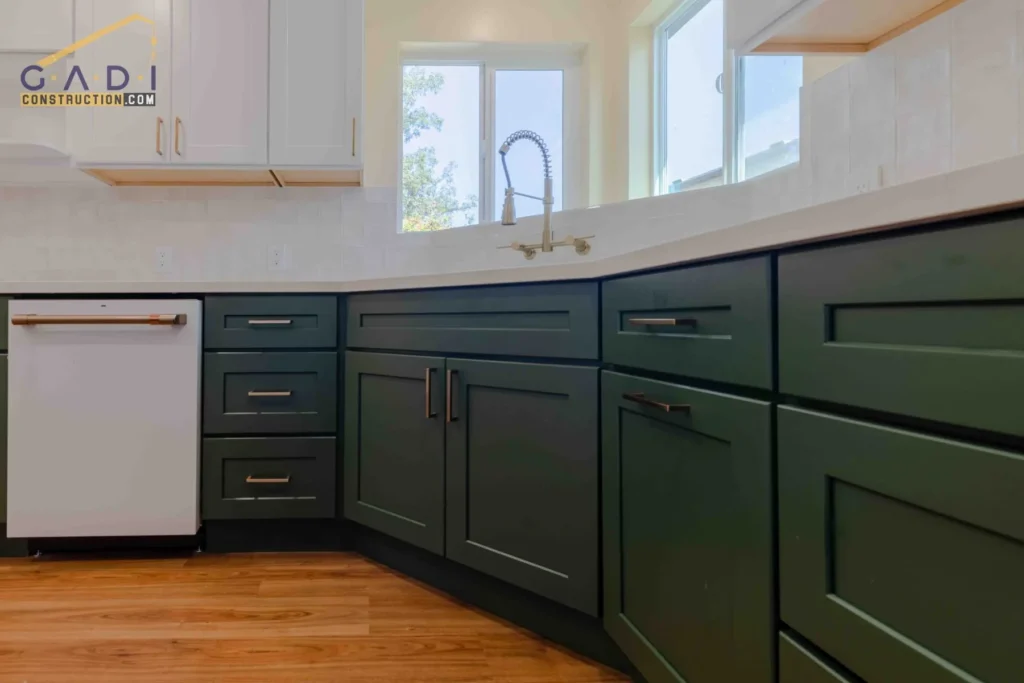
I went with them for a kitchen makeover and it was worth every penny. The design team helped me see options I never thought about.
Their skilled builders were respectful of the house and kept everything tidy. It felt like a real partnership through the whole remodel.
The value added by the new layout is already noticeable. I still walk in and smile because the remodel turned out exactly right.

Taking on a whole house renovation sounded stressful but they took the edge off. They walked us through each stage of the project so we always knew what was happening. The result feels like a true custom home remodeling job.

The bathroom remodel completely changed how our space feels. Their team helped plan everything so the design made sense and looked great. The quality build is obvious in every corner. It’s nice to have a space that’s functional and adds value at the same time.

We worked with this business for a full residential remodel, and it was a great experience. The skilled builders brought the design to life exactly as we imagined. Every room feels intentional and high-quality. I’d happily recommend them to anyone looking for a thoughtful and professional remodel.





Related Articles
People Also Ask
The cost of a 20x20 foot room addition typically ranges from $80,000 to $200,000 or more, with a national average often cited around $120,000. This wide variation depends heavily on the project's complexity, materials, and location. A basic, unfinished shell will be at the lower end, while a fully finished addition with high-end finishes, plumbing for a bathroom or kitchenette, complex roofing ties, and HVAC integration will reach the higher estimates. Key cost factors include foundation work, roofing, siding matching, interior finishes (flooring, drywall, electrical), and permitting fees. It is crucial to obtain detailed quotes from several licensed contractors, as site-specific challenges like soil conditions or accessibility can significantly impact the final price.
Several strategic upgrades can significantly boost a home's value. A well-designed kitchen or bathroom remodel often offers the highest return, with high-end finishes and modern layouts being key. Adding square footage through a new bedroom, bathroom, or a finished basement directly increases livable space, which appraisers value highly. Curb appeal projects like a new roof, siding, or professional landscaping create critical first impressions. For many markets, integrating an accessory dwelling unit (ADU) or a high-end outdoor living space with a kitchen can reach this value threshold. It's crucial to align improvements with neighborhood standards to avoid over-improving for the area, ensuring the investment pays off upon resale.
When working with a contractor, avoid statements that can undermine the professional relationship or project success. Never say, "I don't have a budget," as this removes crucial financial guardrails. Avoid making constant, arbitrary changes without understanding the cost and timeline implications. Do not insist, "Just do it the way you think is best," without providing clear specifications, as this leads to mismatched expectations. Refrain from discussing payment with subcontractors directly, as this bypasses the contractor's management. Most importantly, never threaten to withhold final payment for minor, unresolved punch list items without following the contractual dispute process. Clear, respectful communication and adherence to the agreed contract are fundamental for a smooth project.
The 30% rule in remodeling is a common budgeting guideline suggesting you should not spend more than 30% of your home's current market value on a major renovation project. This is a rule of thumb to help homeowners avoid over-improving their property relative to the neighborhood, which can make it difficult to recoup the investment upon resale. For example, if your home is worth $400,000, a major remodel budget should ideally stay at or below $120,000. This rule helps maintain a sensible financial scope, ensuring the renovation enhances livability and value without pricing the home out of its local market. It is crucial to obtain accurate appraisals and consult with real estate professionals before finalizing budgets.
Small home additions in Union City require careful planning to comply with local zoning laws and building codes. Homeowners should first consult with the city's planning department to understand setback requirements, height restrictions, and permit processes. Popular additions include sunrooms, second-story expansions, or kitchen extensions, which can significantly increase living space and property value. It is crucial to hire a licensed contractor experienced in the area who can navigate these regulations and ensure structural integrity. A well-executed addition should blend seamlessly with the existing architecture, using matching materials and rooflines. Proper budgeting for unexpected costs and a clear timeline are essential for a successful project that meets both needs and local standards.
When considering the best home additions in Union City, focusing on versatile and value-adding projects is key. A popular choice is a second-story addition, which maximizes your lot's footprint without sacrificing yard space, significantly increasing living area and property value. Building a sunroom or a California room provides a seamless indoor-outdoor connection, ideal for the local climate. For growing families, adding an accessory dwelling unit (ADU) offers rental income potential or private space for relatives. A well-designed kitchen extension or master suite addition also yields high returns. It is crucial to work with a licensed contractor familiar with Union City's specific building codes and permit requirements to ensure a smooth, compliant project that enhances both your home's functionality and market appeal.
