
The GADI Team worked with us in multiple renovation projects. They quickly scoped and executed the project within the budget. Job well done!



Beautiful job updating the kitchen and shower. Our project manager, Eden was responsive and quickly moved the project along, completing everything in three weeks .
GADI did a great job updating our kitchen and shower.
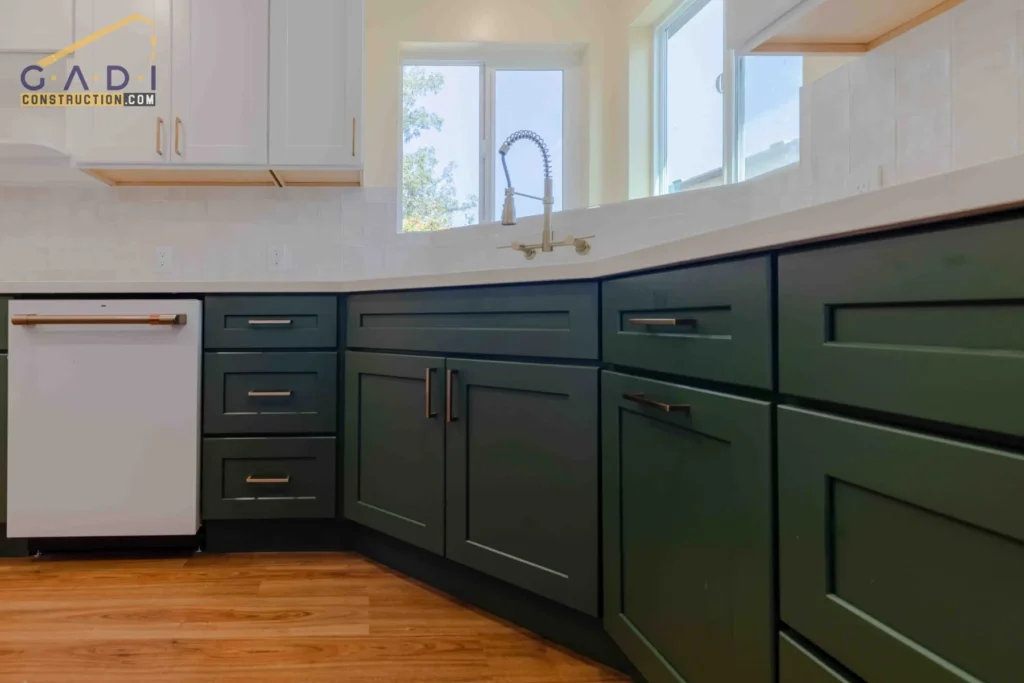
Our project manager Eden was highly responsive, quickly understood exactly what we needed, and kept everything moving efficiently. The entire project was completed in just 3 weeks. Updating the kitchen included installing a new counter, a new sink, and a built-in dishwasher, and everything is beautiful and working well. They also painted the cabinet doors, greatly improving the look of the kitchen. For the bathroom, they removed a built-in bench, making the shower much more spacious, and beautifully replaced with new tiles, including the floor.

We just completed a full primary bathroom remodel with Gadi constructions and we could not be happier with the result. The quality of the work was excellent, the project was well managed, and the finished bathroom turned out beautifully and almost exactly to the vision I had in mind.
I especially want to recognize Millie, our program manager, who was exceptional from start to finish. Her enthusiasm for her work is infectious, but what impressed me most was how personally invested she became in getting every detail right. She approached the project as though she were working on her own bathroom, not a client’s. She was constantly thinking ahead, finding creative solutions, making things work when challenges came up, and never settling for “good enough.”
I traveled quite a bit during the remodel, and knowing Millie was overseeing everything gave me tremendous peace of mind. She kept the project moving, handled issues without creating unnecessary stress for me, and always made me feel that the details were in very capable hands.
Remodeling can be disruptive and stressful, but having someone who genuinely cares about the outcome makes all the difference. Millie went above and beyond in every sense, and the entire team delivered a bathroom we absolutely love. I would highly recommend them.
We just completed a full primary bathroom remodel with Gadi constructions and we could not be happier with the result. The quality of the work was excellent, the project was well managed, and the finished bathroom turned out beautifully and almost exactly to the vision I had in mind.
I especially want to recognize Millie, our program manager, who was exceptional from start to finish. Her enthusiasm for her work is infectious, but what impressed me most was how personally invested she became in getting every detail right. She approached the project as though she were working on her own bathroom, not a client's. She was constantly thinking ahead, finding creative solutions, making things work when challenges came up, and never settling for "good enough."
I traveled quite a bit during the remodel, and knowing Millie was overseeing everything gave me tremendous peace of mind. She kept the project moving, handled issues without creating unnecessary stress for me, and always made me feel that the details were in very capable hands.
Remodeling can be disruptive and stressful, but having someone who genuinely cares about the outcome makes all the difference. Millie went above and beyond in every sense, and the entire team delivered a bathroom we absolutely love. I would highly recommend GADI constructions for your next remodel project.

Gadi Construction did an outstanding job upgrading our lower bedroom and powder room- they completed a patio project for me that I am extremely happy with . I recommend Gadi Construction for their professionalism and also their customer care experience – definitely would recommend them and use them again for any future projects.

Gadi construction handled the remodel of my 2 bathrooms: the main and secondary. My project manager Eden was the reason I chose them, she was responsive and listened to what I needed. She guided me through the process and helped me choose the right materials. They were not the lowest quote but I felt I was going to get my project done on a timely schedule and completed to my liking. And we are thrilled on how they came out! Thank you Eden!

Nadav & his crew are professional, punctual and reliable. They kept us informed about the process and the next steps, timelines etc throughout the process. They can anticipate hidden issues while renovating older structures, so it minimizes the surprises during the renovations.
We had a wonderful experience working with Gadi Construction on our home remodeling project. From start to finish, the team was professional, knowledgeable, and committed to delivering high-quality work. Remodeling a home can be stressful, but they made the entire process much smoother by communicating clearly, addressing our questions promptly, and ensuring every detail was handled with care.
A special thank you to our project manager, Millie, who was truly outstanding. She was organized, responsive, and incredibly easy to work with throughout the project. Millie kept us informed at every stage, coordinated everything seamlessly, and always made sure our concerns were addressed quickly. Her attention to detail, professionalism, and dedication gave us confidence that our project was in good hands.
The craftsmanship and quality of the finished work exceeded our expectations, and we are extremely happy with the transformation of our home. We appreciate the entire Gadi Construction team for their hard work and especially Millie for making what could have been a stressful renovation an enjoyable experience.
We highly recommend Gadi Construction to anyone looking for a reliable remodeling contractor, and if you're fortunate enough to have Millie managing your project, you'll be in excellent hands.