Santa Clara, CA Kitchen, Bath and Home Renovation Gadi Construction

I engaged GADI Constructions Inc to restore my unit in a high rise in San Jose. Right from the beginning Millie, Project Manager, was very professional and when entrusted with the job completed the repair and restoration work smoothly and in time with perfection with time to time progress reporting on phone and through video.


We explored a home addition for our growing family and these folks handled everything with a lot of thought. The builders explained the remodel plan clearly and made the space blend into the house naturally. It was a solid experience all around.
We recently engaged Gadi Construction for a home renovation project, and the experience exceeded our expectations. Their team demonstrated exceptional flexibility, efficiency, and accommodation, adapting seamlessly to our evolving needs while maintaining a high standard of workmanship. The quality of the final output was impressive, reflecting meticulous attention to detail. Millie, our dedicated project manager, along with her team including Mike, fostered a reassuring and collaborative environment throughout the process, ensuring clear communication and minimal disruption. We highly recommend Gadi Construction for any renovation endeavors; their professionalism and commitment to client satisfaction are commendable.


We recently engaged Gadi Construction for a home renovation project, and the experience exceeded our expectations. Their team demonstrated exceptional flexibility, efficiency, and accommodation, adapting seamlessly to our evolving needs while maintaining a high standard of workmanship. The quality of the final output was impressive, reflecting meticulous attention to detail. Millie, our dedicated project manager, along with her team including Mike, fostered a reassuring and collaborative environment throughout the process, ensuring clear communication and minimal disruption. We highly recommend Gadi Construction for any renovation endeavors; their professionalism and commitment to client satisfaction are commendable.

We worked with Nadav from Gadi Construction during the planning phase of our expansion project, and he was a fantastic advisor throughout the process. He helped us think through every detail — from design implications to quality considerations — and brought a thoughtful, thorough, and methodical approach to each discussion.
Nadav was always friendly, highly professional, and incredibly responsive. It consistently felt like he was acting as a truly independent advisor who cared deeply about building long-term relationships and making sure we would get the very best outcome for our project. His proposals were detailed, insightful, and clearly grounded in deep experience.
Although we ultimately moved forward with another contractor who came through a personal referral, that decision wasn’t a reflection on Nadav’s work or professionalism. Based on our experience, we’d be thrilled to work with him in the future and wholeheartedly recommend him to anyone looking for a trusted, high-quality construction partner.

I went with them for a kitchen makeover and it was worth every penny. The design team helped me see options I never thought about.
Their skilled builders were respectful of the house and kept everything tidy. It felt like a real partnership through the whole remodel.
The value added by the new layout is already noticeable. I still walk in and smile because the remodel turned out exactly right.

Taking on a whole house renovation sounded stressful but they took the edge off. They walked us through each stage of the project so we always knew what was happening. The result feels like a true custom home remodeling job.

The bathroom remodel completely changed how our space feels. Their team helped plan everything so the design made sense and looked great. The quality build is obvious in every corner. It’s nice to have a space that’s functional and adds value at the same time.

We worked with this business for a full residential remodel, and it was a great experience. The skilled builders brought the design to life exactly as we imagined. Every room feels intentional and high-quality. I’d happily recommend them to anyone looking for a thoughtful and professional remodel.





People Also Ask
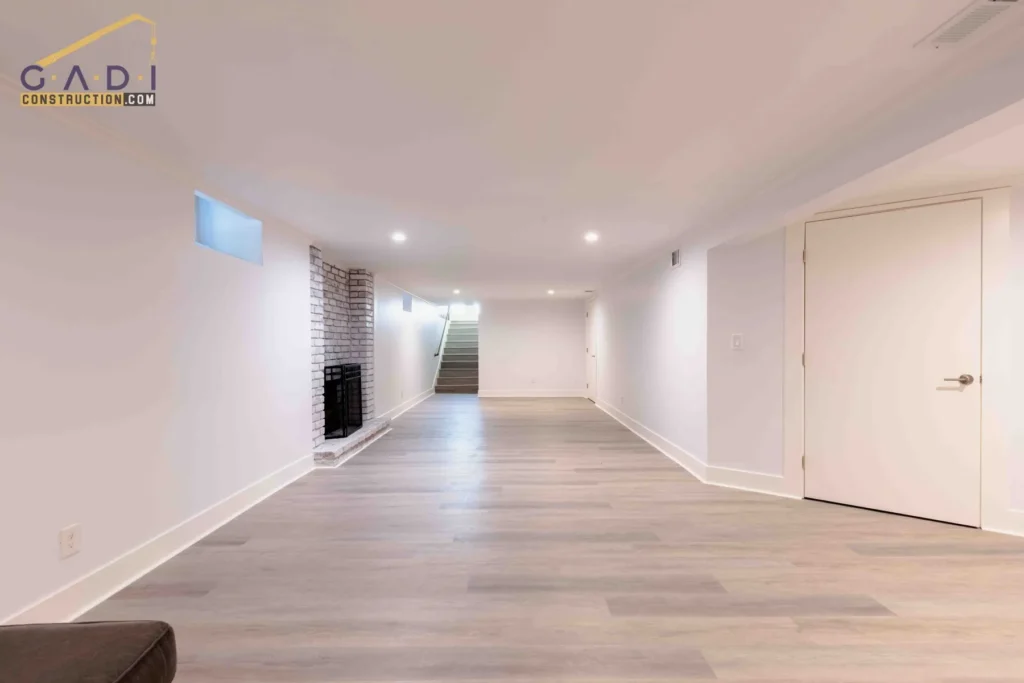
Estimating a basement renovation requires a detailed and methodical approach to avoid costly surprises. Start by creating a comprehensive scope of work, listing every element from framing and insulation to flooring, lighting, and finishes. Obtain multiple, itemized quotes from licensed contractors, ensuring they include labor, materials, permits, and a contingency fund of 10-20% for unforeseen issues. Key cost drivers are ceiling height, moisture mitigation, egress window installation, and bathroom additions. Always factor in professional design and engineering fees if walls are being moved. For a deeper dive into planning and budgeting, be sure to review our internal resource, Essential Considerations For A Successful Basement Remodel, which covers essential considerations for a successful project from start to finish.
The timeline for a basement remodel varies significantly based on scope, size, and complexity. A simple cosmetic update might take 4 to 6 weeks, while a full-scale renovation with new plumbing, electrical, and framing can take 3 to 4 months or longer. Key factors include obtaining permits, addressing moisture issues, installing HVAC extensions, and completing inspections. Proper planning and hiring experienced professionals are crucial to avoid delays. For a detailed breakdown of planning stages and common pitfalls, refer to our internal guide Essential Considerations For A Successful Basement Remodel, which outlines essential steps to ensure your project stays on schedule and meets all building codes.
The best place to start when remodeling a basement is with a thorough assessment and planning phase. First, address any moisture issues by inspecting for leaks, checking drainage, and ensuring proper waterproofing. Next, verify local building codes for requirements on ceiling height, egress windows, and electrical work. Develop a detailed floor plan that defines the purpose of the space, whether it's a family room, home office, or guest suite. This planning stage is crucial for budgeting and avoiding costly changes later. For a comprehensive guide on this process, including design ideas and structural considerations, refer to our internal resource Basement Remodeling. Always consult with a professional contractor to ensure your vision is both safe and feasible.
Remodeling a basement on a budget requires strategic planning and smart material choices. Start by clearly defining the space's primary function to avoid costly changes later. Prioritize essential structural and moisture-proofing work, as neglecting these leads to expensive repairs. Use cost-effective materials like luxury vinyl plank flooring and drywall, and consider painting existing concrete walls instead of framing new ones. Handle demolition and painting yourself, but hire licensed professionals for electrical, plumbing, and any structural modifications. Look for discounted or recycled fixtures and cabinets. For a detailed guide on planning and avoiding common pitfalls, refer to our internal resource, Essential Considerations For A Successful Basement Remodel. Phasing the project can also help spread out costs over time.
