

Home Remodeling Santa Clara | Kitchen, Bath and Home Renovations | Gadi Construction
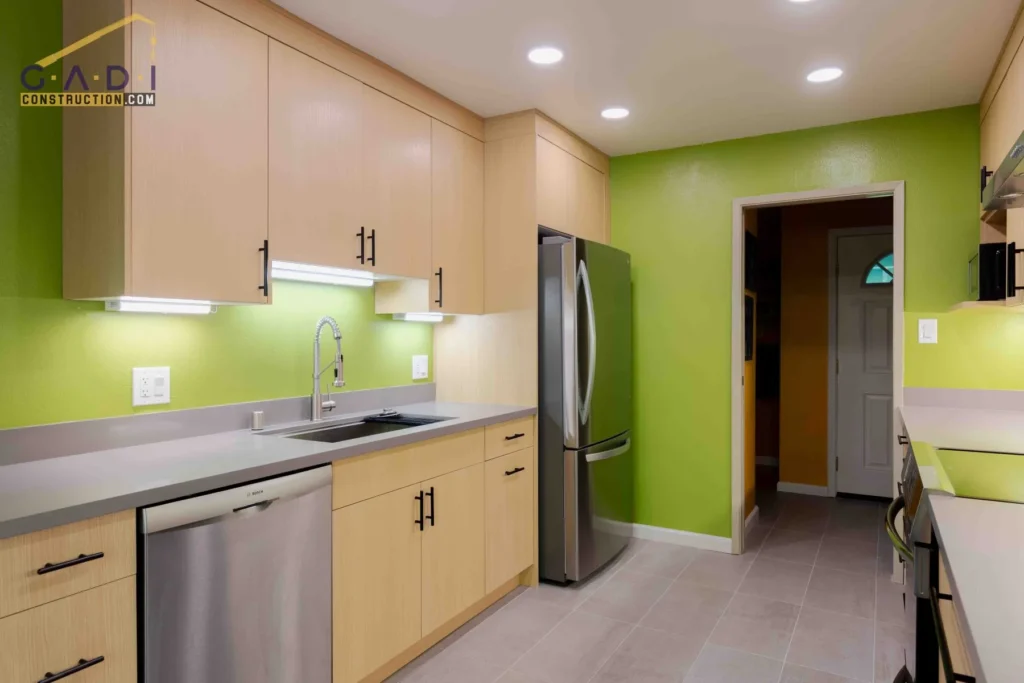
I had a very good experience with Millie personally and the whole Gadi team doing a major kitchen renovation , that included designing the kitchenrelocations, skylights and reconfiguration of space.
I will gladly recommend to work with them. I personally plan to do so in the future.

Manish Jain July 10
I had a very good experience with Millie personally and the whole Gadi team doing a major kitchen renovation , that included designing the entire kitchen, relocations, skylights and reconfiguration of space.
I will gladly recommend to work with them. I personally plan to do so in the future again.
Our home remodeling project is finally complete (almost 2 year ordeal), but team at Gadi Construction made this navigation manageable.
First shout out to Millie Studnict(Project Manager) . If you've ever gone through a major home renovation, you'd have many questions, decisions, surprises, inspections, and frustration. Throughout the entire process, Millie was always there with an answer, a solution, or simply the patience to walk us through the next step.
What I appreciated most was that Millie genuinely cared. No matter how busy things got, she always returned calls, responded to emails, and kept us informed. There were plenty of times when we were unsure about something, and Millie never made us feel like we were asking too many questions.
The entire Gadi team was great to work with as well. The crews showed up when they said they would, treated our home with respect, and were always courteous and professional. It was clear that everyone took pride in their work.
After dealing with the stress of restoring our home following a fire, it was a huge relief to have a contractor we could trust. The project is now complete, the final inspection has passed, and we're very happy with the outcome.
Thank you, Millie and Lucie and everyone at Gadi Construction..

Raj Mare June 20
Our home remodeling project is finally complete (almost 2 year ordeal), but team at Gadi Construction made this navigation manageable.<br><br>First shout out to Millie Studnict(Project Manager) . If you've ever gone through a major home renovation, you'd have many questions, decisions, surprises, inspections, and frustration. Throughout the entire process, Millie was always there with an answer, a solution, or simply the patience to walk us through the next step.<br><br>What I appreciated most was that Millie genuinely cared. No matter how busy things got, she always returned calls, responded to emails, and kept us informed. There were plenty of times when we were unsure about something, and Millie never made us feel like we were asking too many questions.<br><br>The entire Gadi team was great to work with as well. The crews showed up when they said they would, treated our home with respect, and were always courteous and professional. It was clear that everyone took pride in their work.<br><br>After dealing with the stress of restoring our home following a fire, it was a huge relief to have a contractor we could trust. The project is now complete, the final inspection has passed, and we're very happy with the outcome.<br><br>Thank you, Millie, and thank you to everyone at Gadi Construction for helping us get our home back.
Raj Mare June 20
Our home remodeling project is finally complete (almost 2 year ordeal), but team at Gadi Construction made this navigation manageable.
First shout out to Millie Studnict(Project Manager) . If you've ever gone through a major home renovation, you'd have many questions, decisions, surprises, inspections, and frustration. Throughout the entire process, Millie was always there with an answer, a solution, or simply the patience to walk us through the next step.
What I appreciated most was that Millie genuinely cared. No matter how busy things got, she always returned calls, responded to emails, and kept us informed. There were plenty of times when we were unsure about something, and Millie never made us feel like we were asking too many questions.
The entire Gadi team was great to work with as well. The crews showed up when they said they would, treated our home with respect, and were always courteous and professional. It was clear that everyone took pride in their work.
After dealing with the stress of restoring our home following a fire, it was a huge relief to have a contractor we could trust. The project is now complete, the final inspection has passed, and we're very happy with the outcome.
Thank you, Millie, and thank you to everyone at Gadi Construction for helping us get our home back.

Jeremy Mazzulla May 26
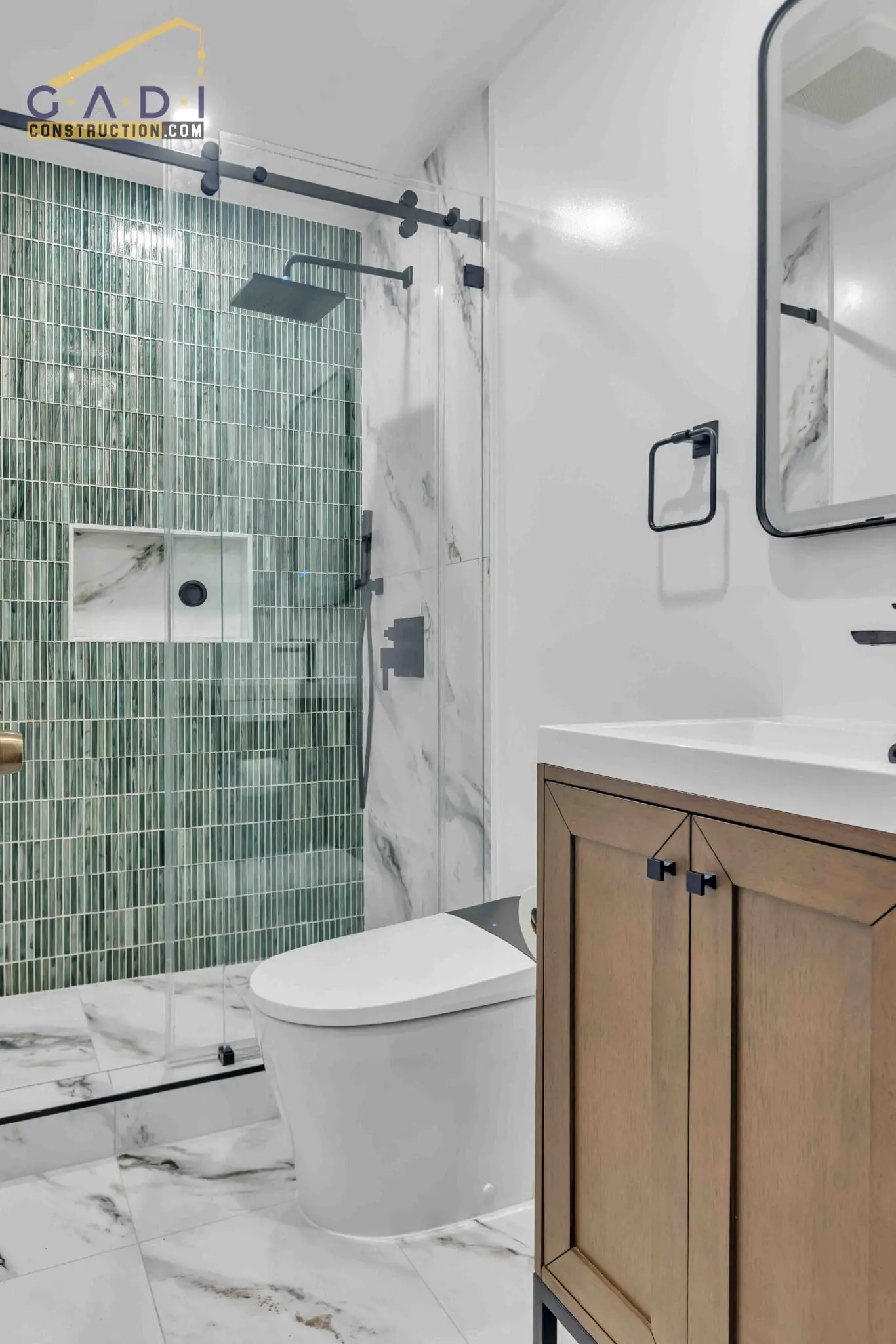
I just wrapped a primary bathroom remodel with GADI.
Effie was a fantastic design partner – he understood our initial vision and worked with it to come up with something even better that we love.
Nadav did an amazing job managing the project. Communication throughout was constant & immediate via text, and we got the project done quickly and with minimal fuss. His team on the ground was also great across the board.
I'm hoping to work with Nadav & Effie on another project soon, and I highly recommend GADI!
Jeremy Mazzulla May 26
I just wrapped a primary bathroom remodel with GADI.<br><br>Effie was a fantastic design partner – he understood our initial vision and worked with it to come up with something even better that we love.<br><br>Nadav did an amazing job managing the project. Communication throughout was constant & immediate via text, and we got the project done quickly and with minimal fuss. His team on the ground was also great across the board.<br><br>I'm hoping to work with Nadav & Effie on another project soon, and I highly recommend GADI!
I requested a quote for a job I need done and I had the pleasure of meeting Itay today. He was very professional and kind. Had good energy and reassured me that he will do everything he can for the best outcome. This is more of a review on Itay and I will update if I decide to hire them. But the initial process of getting a quote done was great because of Itay.
I recently hadflood damage to my home which requires extensive remodeling. I called a number of contractors And I was most impressed with Millie from Gadi construction.
Though we haven't gotten to the point of actual construction yet , Millie has come out and given me excellent guidance for remodeling bathrooms, kitchen, living area. I've never done remodeling before so it was nice to have somebody like Millie to
' hold my hand,' and take some of the stress off of making some major decisions. She has since returned phone calls promptly and feels more like a friend helping me rather than a person I hired or may hire.
Whether we use you or not in the end thank you Millie for helping me during this difficult time and I hope others see this review and can take advantage of your nice , kind personality and expertise.





People Also Ask
The 30% rule is a common industry guideline suggesting that homeowners should not spend more than 30% of their home's current market value on a single renovation project. For example, if your property is valued at $500,000, a kitchen or bathroom remodel should ideally cost no more than $150,000. This principle helps protect your investment by ensuring the renovation does not overcapitalize the property, making it difficult to recoup costs upon resale. For detailed financial planning specific to your area, we recommend reviewing our internal article titled 'Budgeting For A Bathroom Renovation In The Bay Area', which you can access via Budgeting For A Bathroom Renovation In The Bay Area. At Gadi Construction, we always advise clients to balance personal taste with market realities to achieve a smart, sustainable upgrade.
When communicating with your contractor, avoid saying things that can create misunderstandings or legal issues. Never tell them you have a flexible budget, as this often leads to higher quotes and unnecessary upgrades. Do not mention that you are in a hurry or need the project done by a specific date without a formal timeline, as this can compromise quality and safety. Avoid discussing other bids you received, as this can damage trust and negotiation. Also, never say you can handle permits or inspections yourself, as this is illegal in most areas and voids insurance. For more guidance, refer to our internal article How To Work With Contractors: A Practical Guide For Homeowners to ensure a smooth partnership with professionals like Gadi Construction.
A $50,000 budget can be sufficient for a focused renovation, but it depends entirely on the scope of work and the size of your home. In the Santa Clara and San Jose area, this amount typically covers a complete kitchen or bathroom remodel, or a few major system upgrades like new flooring and interior painting. However, for a whole-house renovation involving structural changes, new HVAC, or extensive electrical work, $50,000 is likely insufficient. To ensure your budget aligns with your goals, we recommend reading our internal article titled How To Finance Your Whole-House Remodel In Santa Clara. This resource provides professional guidance on financial planning and realistic cost expectations for projects in our region.
The cost difference between a handyman and a contractor often depends on the scope of your project. A handyman is typically cheaper for small, simple tasks like fixing a leaky faucet or patching drywall, as they charge lower hourly rates. However, for larger projects requiring permits, structural work, or specialized trades, a licensed contractor is the more cost-effective choice in the long run. Contractors ensure code compliance and proper insurance, which prevents expensive mistakes. At Gadi Construction, we recommend evaluating the project's complexity before deciding. For a deeper look into this decision, please refer to our internal article How To Work With Contractors: A Practical Guide For Homeowners for practical advice on managing costs and expectations.